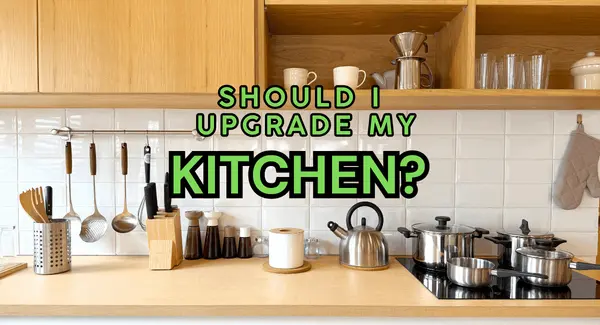
Reface or Replace Kitchen Cabinets Before Selling?

Should You Reface or Replace Your Kitchen Cabinets Before Selling?
You’re getting your home ready to hit the market, and your kitchen cabinets are suddenly… very noticeable.
They’re not falling apart, but they’re definitely not doing you any favours either.
So now you’re stuck wondering:
Do I spend the money replacing them, or is refacing enough?
This decision isn’t just about budget—it can impact how quickly your home sells and how much you ultimately walk away with.
The truth is, there’s no one-size-fits-all answer. The right choice depends on your timeline, budget, and what buyers in your market are expecting.
Let’s break it down in a way that actually makes sense.
Quick Decision Guide
If you want the short version:
Reface your cabinets if:
• The cabinet boxes are solid and in good shape
• Your layout already works well
• You’re in a starter to mid-range price point
• You want to stay under about $10,000
• You’re planning to list within the next few months
Replace your cabinets if:
• Cabinets are damaged, sagging, or poor quality
• The layout feels awkward or wastes space
• You’re selling in a higher-end market
• You have $15,000+ to invest
• You’ve got at least 6–8 months before listing
Skip it altogether if:
• Your cabinets are newer and still look good
• The style is already neutral and appealing
• You’re in a strong seller’s market
• Your budget would go further elsewhere (paint, flooring, staging)
What Is Cabinet Refacing?
Refacing is basically a cosmetic upgrade.
Instead of ripping everything out, you keep the cabinet boxes and just update what buyers actually see.
That usually includes:
• New cabinet doors and drawer fronts
• New hardware
• A veneer or laminate to match the new style
The inside of your cabinets stays the same.
Most refacing projects take just a few days once they start, and typically cost around $4,000–$9,500.
It’s a great option if your cabinets are solid but just look dated.
Important: refacing only changes the look—it doesn’t fix layout or storage issues.
What Is Cabinet Replacement?
Replacement is a full reset.
Everything comes out—boxes, doors, layout—and you start fresh.
This often includes:
• New cabinets and layout
• New countertops
• Possible plumbing or electrical changes
• Sometimes even new appliances
It’s a much bigger project, usually taking several weeks (and months of planning), and costs can range from $12,000 to $30,000+.
The upside? You can completely fix how the kitchen functions and design it to match what buyers expect.
What Buyers Actually Care About
This is where a lot of people get it wrong.
Buyers don’t all want the same thing—it depends heavily on your price point.
Starter Homes
Buyers want clean, functional, and move-in ready.
They’re not expecting luxury. A well-done refacing job usually feels like a huge upgrade to them.
Mid-Range Homes
Buyers expect an updated look, but not necessarily brand new everything.
If your layout works, refacing can absolutely be enough. If it doesn’t, replacement might be worth considering.
Higher-End Homes
This is where expectations change.
Buyers are comparing finishes, details, and overall design. In these cases, full replacement is often needed to stay competitive.
When Refacing Makes the Most Sense
Refacing is usually the sweet spot if:
• Your cabinets are good quality
• The layout already works
• You just need to modernize the look
• You’re on a tighter budget or timeline
Think: older oak cabinets that are solid but dated.
Swap in white or light-toned doors, update the hardware, and suddenly the whole kitchen feels current.
From a resale standpoint, this is often where you get the best return for your money.
When Replacement Is Worth It
Replacement makes sense when there are real problems buyers will notice.
• Cabinets are damaged or low quality
• Storage is poor or the layout feels awkward
• The kitchen feels very outdated functionally
If buyers walk in and immediately think, “we’d have to rip this out,” you’re already losing value.
In that case, updating it before listing can help your home show better, sell faster, and avoid price reductions.
Let’s Talk Numbers
Here’s what it typically looks like:
Refacing:
• $3,000–$10,000 depending on finishes
• Strong ROI, especially in mid-range homes
• Often 70–90% return depending on the market
Replacement:
• $12,000–$30,000+
• Higher potential in luxury markets
• But easier to over-spend if you’re not careful
And remember—minor updates almost always outperform major renovations when selling.
The Budget-Friendly Option Most People Overlook
Before you do either…
Ask yourself if your cabinets could just be refinished instead.
• Paint or stain can completely change the look
• New hardware makes a bigger difference than people expect
• Costs a fraction of refacing
In many cases, this alone is enough to make the kitchen feel fresh for buyers.
Timing Matters More Than You Think
If you’re thinking about updating your cabinets before selling, timing is everything.
• Refacing → start 3–4 months before listing
• Replacement → plan 6–8 months ahead
• Avoid starting anything major within 6 weeks of listing
Rushed renovations almost always cost more and deliver worse results.
Common Mistakes to Avoid
Here’s where sellers lose money:
• Choosing trendy finishes instead of neutral ones
• Over-improving for the neighbourhood
• Ignoring layout issues when they actually matter
• Starting projects too close to listing
• Spending money where buyers don’t see value
My Honest Take (What I Tell My Clients)
If your cabinets are in good shape…
👉 Refacing (or even just painting) is usually the smartest move.
If your kitchen has real functional issues…
👉 Replacement might be worth it—but only if your timeline and budget support it.
And sometimes?
👉 Doing nothing and pricing strategically is the best decision.
The Bottom Line
You’re not renovating for you—you’re renovating for your buyer.
The goal isn’t to build your dream kitchen.
It’s to make smart updates that help your home sell faster and for more money.
Sometimes that means refacing.
Sometimes it means replacing.
And sometimes it means leaving it alone and focusing on higher-impact updates.
Categories
Recent Posts